

3.1 Importance of Nutrition in Early Childhood
Nutrition is really important for kids when they are growing up. Kids need to eat food and have healthy snacks because their bodies and brains are growing so fast. When kids eat food they have lots of energy and get all the things they need to grow strong and healthy.
In places where kids go to learn the people who take care of them have a job to make sure kids have good experiences with food. When it is time to eat it is not about eating food. It is also a time for kids to learn how to do things on their own make friends talk to people and learn how to eat food. Nutrition and healthy eating are important for kids and the people who take care of them in learning environments can help kids develop good habits, around Nutrition.
ECEs support children's nutrition by:
Providing balanced meals and snacks
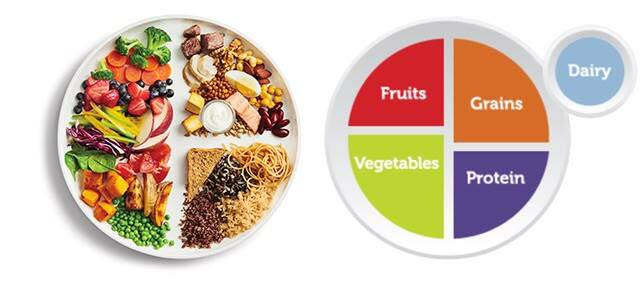
Following Canada's Food Guide recommendations
Respecting children's cultural food practices and dietary needs
Supporting children's independence during meals
Creating positive and stress-free mealtime experiences
Encouraging children to try different healthy foods
Poor nutrition can affect children's:
Energy levels
Concentration and learning
Physical growth
Immune system function
Emotional regulation
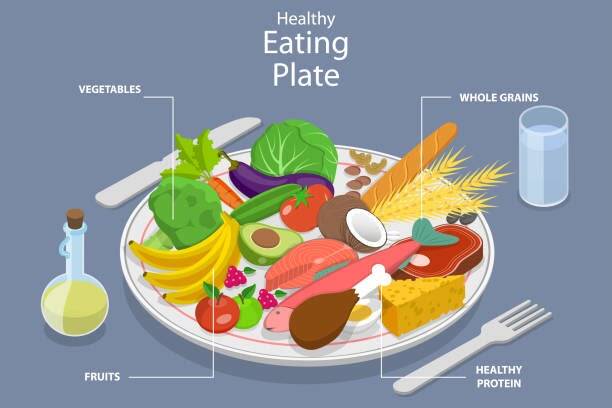
According to Canada's Food Guide (2019), healthy eating is based on enjoying a variety of nutritious foods, including vegetables and fruits, whole grain foods, and protein foods. Nutrition in child care should focus on creating healthy relationships with food rather than forcing children to eat. Educators should encourage children to listen to their hunger and fullness cues.
3.2 Nutrition Subsections Required
Infants (0-18 Months)
Infants need food because they are growing really fast and learning how to eat. The first thing they need is breast milk or special baby formula. Breast milk or baby formula has all the things that infants need to grow and be healthy. People who take care of infants should do a things.
They should:
* Support the familys decision on what to feed their baby
* Feed the baby when the family says it is time
* Hold the baby and make them feel safe when they are eating
* Never make the baby finish a bottle if they do not want to
Breast milk or formula is the important food for infants for the whole first year of their life. When infants are a little older they start to eat foods. This usually happens when they are six months old. Some examples of foods that are good for infants include:
* Soft vegetables
* Fruits that are mashed up
* Foods that have a lot of iron in them
* Soft grains
Infants, like these foods because they are easy to eat and they have the things that infants need to grow and be healthy.
Educators must:
When it comes to introducing foods to my baby I need to follow the instructions that my family gives me.
My family tells me to monitor allergies when I am introducing foods.
I have to provide textures so that my baby does not choke on the food.
Introducing foods is a job and I have to make sure I do it right to keep my baby safe.
Introducing foods and monitoring allergies is very important, to my family.
My family wants me to provide textures when I am introducing foods.
Toddlers (18 Months-2.5 Years)
Toddlers are learning to do things on their own and make decisions. When it is time to eat we should help them try things and feel good, about food. Toddlers need to eat food from groups to be healthy.
Element 1: Balanced Meals and Snacks
We should give toddlers meals that have kinds of food in them.
Examples:
For breakfast toddlers can have Oatmeal with fruit And they can drink milk or water For a snack they can have Yogurt and berries. For lunch they can have vegetable soup, grain bread And some kind of protein source
The people who take care of toddlers should give them many kinds of food to eat and let the toddlers decide how much food they want to eat. Toddlers should be able to choose how food they eat and what they like. Teachers and caregivers should help toddlers learn to eat a little of everything and have a time when they eat.
Preschool Children (2.5-4 Years)
Preschool children keep getting better at eating food and doing things on their own.
Element 1 is about having a lot of food options.
Preschool menus should have kinds of food.
They should have vegetables and fruits like salad, fresh fruit and cooked vegetables.
They should also have grains like whole wheat pasta, brown rice and whole grain crackers.
They should have protein, like beans, eggs, chicken and fish.
Having a variety of food is good because preschool children get the nutrients they need from a variety of foods.
School-Age Children (4-12 Years)
School age children need food that's good, for them so they can learn and grow and be active.
Element 1: Healthy Lunch and Snacks
Lunch:
We should give them grain sandwiches
Some vegetables
A piece of fruit
And water to drink
Snack:
We can give them cheese and crackers
Or a fruit smoothie
Element 2: Teaching Healthy Choices
Teachers can help School age children understand what are good food choices
They can teach them about eating the right amount of food
They can tell them why drinking water is important
And how the food they eat gives them energy
School age children can also help make their own food and this will make them feel confident and able to do things on their own.
3.3 Canada Food Guide And Active Living
Canadas Food Guide helps people eat healthy and exercise regularly. Eating healthy is about choosing food and being active every day. In places where kids are taken care of the people in charge can use Canadas Food Guide in activities by making time for
Healthy Eating Practices:
Giving kids meals and snacks that are good for them and have vegetables and fruits every day
Giving kids food that is made from whole grains
Giving kids food that has a lot of protein
Telling kids to drink water
Active Living Practices:
Little kids need to move around a lot every day. Canadas Food Guide says this is important. Kids need to move their bodies when they're, at the place where they are taken care of. This is part of Canadas Food Guide and healthy living.
ECEs can support physical activity through: Movement Breaks
Examples:
Dancing activities
Action songs
Stretching exercises
Outdoor Play
Examples:
Running Climbing
Throwing balls
Nature exploration
Active Learning
Examples:
Obstacle courses
Movement games
Outdoor exploration
Physical activity supports:
Motor development
Healthy body growth
Confidence
Social skills
Emotional regulation
3.4 Creative Menu Offering: Preschool Lunch Recipe
Rainbow Veggie Pasta Bowl
Age Group: Preschool Children (2.5-4 years)
Meal Type:
We are having Lunch Offering the things we need are:
* Vegetables and Fruits Group:
* Half a cup of broccoli that has been chopped up
* Half a cup of carrots that have been shredded
* Half a cup of peppers that have been diced
* Some cherry tomatoes
* Whole Grain Group:
* One cup of wheat pasta
* Protein Group:
We have two options for this
* Regular option: we can have some grilled chicken pieces
* Vegetarian option: we can have chickpeas or some tofu cubes
We also need some other things like
* Olive oil dressing
* Some herbs to make it taste good
* A small amount of cheese if we want it
To make this we have to do these steps:
1. Cook the wheat pasta until it is soft.
2. Wash the vegetables. Get them ready.
3. Add the vegetables and the protein we chose.
4. Mix everything with the oil dressing and the herbs.
5. Serve it in portions that're small enough, for a child.
Create Your Own Website With Webador