

1.1 IMPORTANCE OF UNDERSTANDING ILLNESS
In childhood education settings kids have lots of activities like playing, eating and learning with other kids. When kids are close, to each other they can easily spread germs by coughing, sneezing, dirty surfaces or not washing their hands properly. Young kids can get infections easily because their immune system is still developing. As Early Childhood Educators it's our job to know how to prevent sickness and infection. We should know the signs of illnesses follow hygiene habits and make sure the environment doesn't let germs spread easily. Preventing illness helps kids reduces absences from school supports kids and their families and makes the learning space healthier. Some illnesses you might see in childcare are:
* Cold
* Influenza
* Gastroenteritis
* Hand, foot and mouth disease
* diseases
Infection prevention is really important. Here are some things that can help:
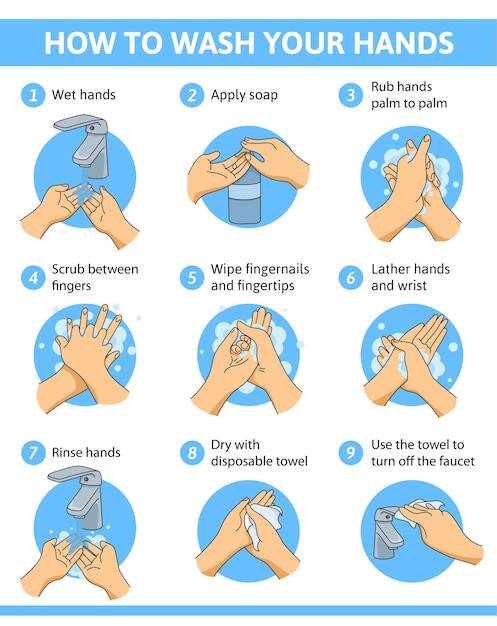
* Children and teachers should wash their hands properly
* Toys and surfaces need to be cleaned and disinfected all the time
* We should teach kids how to keep themselves clean and healthy
* If a child or teacher is sick they should stay home according to the rules
* We need to follow what Toronto Public Health says when there is an outbreak
A good child care place needs everyone to work together like teachers, families and people, from public health. When teachers know how to prevent kids from getting sick they can help them fast. Keep them healthy overall.
1.2 Toronto Public Health support for illness Management
Toronto Public Health helps the people who work at child care centres in Toronto. They teach them about how to stop kids and staff from getting sick. Toronto Public Health does this by showing them how sicknesses spread and what they can do to prevent it. They also tell them what to do when someone gets sick. Toronto Public Health supports child care centres by:
* Giving them rules to follow so they can stop infections from spreading
* Helping them when someone gets sick. They do not know what to do
* Telling them what they need to report when someone gets sick
* Giving them advice on how to clean and keep everything germ free.
Toronto Public Health is helping the child care centres to keep the kids and their families safe, from getting sick. Toronto Public Health is supporting the child care centres to protect the children and families from illnesses.
OUTBREAK
When a lot of kids in a child care setting get sick at the time that is what we call an outbreak. This usually happens with things like stomach bugs the flu, COVID-19 and other illnesses that can spread easily from person to person. We need to do something away when an outbreak happens because kids and the people who take care of them are together for a long time which makes it easier for the illness to spread.Here are some things that might mean we have an outbreak:
* Two or more kids or staff members get sick with the symptoms
* A lot of kids are absent, from child care because they are sick
* We see a lot of cases of the same sickness happening in an amount of time
Steps During an Outbreak Response. A Daily Health Check Record is something educators use to keep an eye on the kids health when they get to the child care centre. Educators look for signs that a child's sick before they go into the classroom. Requirements for Completion:
* Educators write down the following things:
* The Childs name
* The. Time of the health check
* Any. Symptoms they see
* What the Educators think is going on
* What Actions they take if they see any symptoms
The main reason we do the Daily Health Check is to catch any illness and stop it from spreading to other kids and staff at the child care centre. The Daily Health Check is also connected to Toronto Public Health because it helps us follow their rules for preventing the spread of infections. By checking the kids health every day child care centres can figure out if someone is sick quickly and do the thing to take care of them. This way we can stop illnesses from spreading to children and staff, at the child care centre, which is what Toronto Public Health recommends.
Illness Documents and Forms Used in Child Care Settings
Document 1: Daily Health Check Record
What is it?
A daily health check record is something educators use to keep an eye on the kids health when they get to the child care centre. They watch the children for signs of being sick before they go into the classroom. Requirements, for completion are as follows:
* Educators write down the childs name
* The. Time of the health check
* Any. Symptoms they notice
* What they think about the childs health
* What they do if the child is showing symptoms
The purpose of doing a health check is to find out if a child is sick early on and stop the sickness from spreading to other kids and staff. The daily health check is connected to Toronto Public Health because it helps child care centres figure out if a kid might be sick and take action quickly which is what Toronto Public Health says we should do to prevent the spread of infection.
Document 2: Illness Record / Illness Log
What is it?
An Illness Record is something we use to write down when a child gets sick at the child care program. Requirements for Completion:
Educators need to write down the following things:
* Childs name
* The. Time we noticed the child was not feeling well
* What symptoms the child has
* When we talked to the parent or guardian
* What we did to help the child
* The date the child came back to the program
The purpose of the Illness Record is to help educators see if a lot of kids are getting sick with the thing to talk to families about what is going on and to help figure out what to do if there is a big outbreak of Illness Records. The Illness Record is also important for Toronto Public Health. During an outbreak of Illness Records having good Illness Records helps Toronto Public Health see how many kids are sick keep an eye on what's happening and give us advice on what to do, about the Illness Records.
Create Your Own Website With Webador