

2.1 IMPORTANCE OF SAFETY
Safety is a responsibility for Early Childhood Educators. Young kids, toddlers are learning to be independent and curious. They want to check out their surroundings move around freely and try things. Toddlers are still learning to coordinate, solve problems and understand danger. So educators must make sure the environment is safe for exploration but not too risky. A safe early learning space helps kids feel confident, independent and like they belong. Safety is not about preventing injuries. It is also, about making kids feel safe emotionally. This means keeping an eye on them being kind and respectful and creating a space where kids feel secure.
2.2 How the Child Care and Early Years Act(CCEYA) Supports Safety for Toddlers
The Child Care and Early Years Act, which is also known as the CCEYA, 2014 sets rules that child care programs in Ontario have to follow. The Child Care and Early Years Act makes sure that kids get care that's safe and healthy. For kids who are eighteen months old to two and a half years old the Child Care and Early Years Act helps keep them safe in a few important ways.
1. The Child Care and Early Years Act has rules for watching kids
Little kids need someone to watch them all the time because they are learning to walk and run around. They do not know what is dangerous. The people who take care of the kids the educators have to do a things. They have to be able to see and hear the kids at all times. They have to stand where they can see all the kids. They have to watch the kids when they are playing, eating, moving from one place to another and when they are outside. The educators have to help the kids when they need it. Watching the kids closely helps the educators stop accidents before they happen. The Child Care and Early Years Act is very important, for the kids.
2. Safe Indoor Environment
The CCEYA says that child care environments must be safe.
For toddlers educators should make sure:
* Toys and materials are suitable for their age
* Small things that can be swallowed are taken away
* Furniture is sturdy and safe
* Electrical outlets and hazardous materials are out of reach
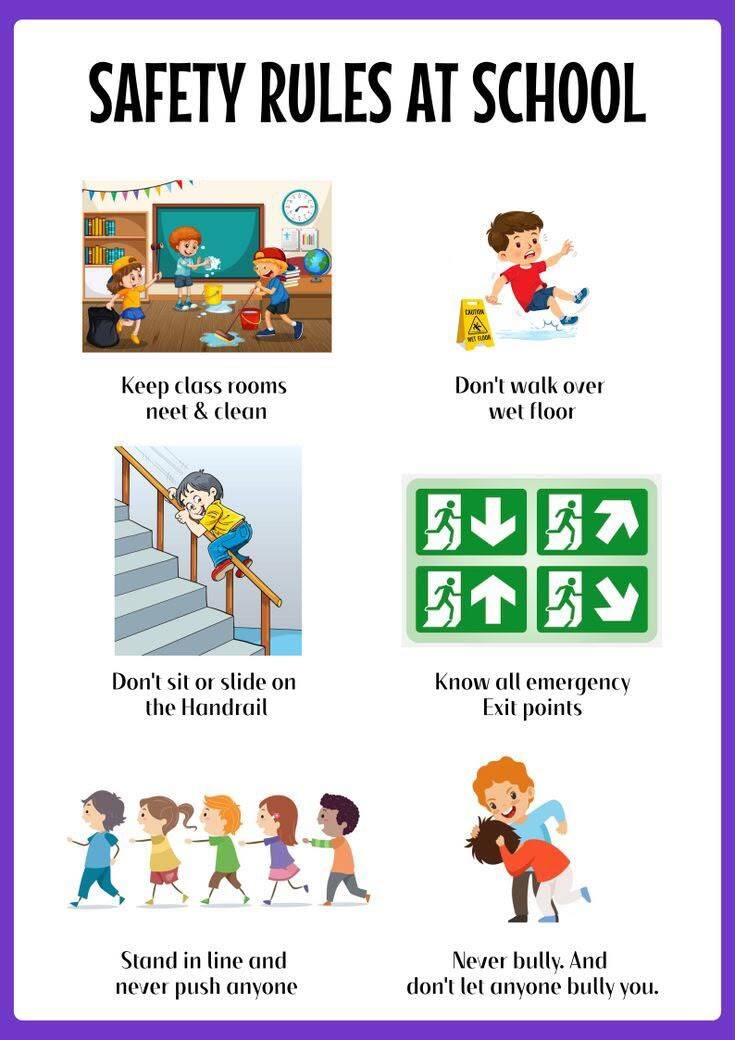
* Classrooms are tidy and organized
Toddlers learn by touching and exploring so we need to pick materials for them to use. They need to have a space to learn and play with materials that are just right, for toddlers.
3. Outdoor Safety
Outdoor play is great for toddlers to get moving and grow strong.
To keep kids safe outside educators should make sure of a things:
* The playground equipment is just right, for the kids age.
* The outdoor areas get checked often.
* Any dangers are taken care of before the kids go out to play.
* There are grown-ups around to watch the kids during activities.
The outdoor space should be fun. Help kids move around explore and get stronger all while staying safe.
4. Safe Sleep and Rest Practices
Toddlers are older than infants. They still need to rest during the day. Educators have to do a things for the toddlers. They have to give the toddlers places to rest. The educators also have to pay attention to what each toddler needs when it comes to sleep. Some toddlers need rest than others.
The educators must:
* Provide resting spaces for the toddlers
* Follow what each toddler needs for sleep
* Monitor the toddlers when they are resting
* Make sure the toddlers are safe when they are sleeping.
The toddlers need to be, in a place when they are resting. The educators have to make sure of that. They have to maintain sleep environments for the toddlers.
5. Emergency Preparedness
The CCEYA requires child care programs to have emergency procedures. This means that the child care programs have to be ready for anything that might happen. The CCEYA requires child care programs to have plans in place for when things go wrong.
Educators must be prepared for things, like
* Fire emergencies
* Evacuations
* When a child is missing
* emergencies
* Severe weather situations
The child care programs have to do regular emergency drills. These emergency drills help the children and the educators know what to do when something unexpected happens. The CCEYA requires child care programs to have emergency procedures so the child care programs do these emergency drills to be prepared.
2.3 Safety Forms/Documents and Routines in Child Care Settings
Document 1: Serious Occurrence Report
What is it?
A Serious Occurrence Report is something you have to fill out when something bad happens at a place that takes care of kids. This is so that anything that hurts the kids or puts them in danger is written down and told to the people.
Examples of occurrences include:
Serious injury that needs medical help
Death of a kid
Kid is missing
Claims of abuse or neglect
situations that affect how safe a child is
Requirements, for Completion:
The report has to have some details.
It must include the date and time of the incident.
The location where the incident happened is also necessary.
We need to know the childs information.
The report should say what happened.
It has to describe the actions taken by the educators.
If the child needed attention this should be included in the report.
The parent or guardian has to be notified.
The report must also talk about the follow-up actions.
The follow-up actions are very important for the childs safety.
Purpose:
The Serious Occurrence Report is used for a few things. It helps us document safety problems that happen. We want to be open with families about what's going on. The Serious Occurrence Report also helps us look into what happened and figure out what to do? This report helps us make the centre a safer place, for kids. The Serious Occurrence Report is also connected to the CCEYA. The CCEYA says that child care programs that are licensed have to report and write down when something serious happens. This helps keep children safe by making sure we look at what happened and make changes to improve safety.
Document 2: Daily Safety Checklist /
Environmental Safety Inspection
What is it?
A Daily Safety Checklist is a document that teachers use to check the classroom and outdoor area before kids start playing. It helps teachers find dangers and fix things that're not safe.
Here are the things teachers need to do:
* Check the inside of the classroom:
* Toys and stuff are safe to use
* Floors are clean and clear of things that can hurt kids
* Furniture is not going to fall over
* Emergency exits are not blocked
* Cleaning stuff is stored safely
* Check the area:
* Playground equipment is safe to play on
* The outside area is clear of things that can hurt kids
* The weather is okay, for playing outside
* Equipment is suitable for little kids
Teachers also need to write down:
* The date they did the inspection
* Any problems they found
* What they did to fix the problems
* Their. Initials
Purpose:
The safety checklist is really important because it helps us find things that could hurt kids before they even get to play.
It does a lot of things to help keep children such as:
* Child protection
* Making sure someone is always watching the kids
* Having activities for them to do
* Making sure we follow all the rules
It is also connected to the CCEYA. The CCEYA says that people who run child care places have to make sure everything is safe for kids and that they are protected from things that could hurt them. If we do safety checks every day we can make sure we are doing what the CCEYA requires and that is a thing, for the safety of the children.
Create Your Own Website With Webador